XPER DocEngine
DocEngine adds accessibility structure to existing PDFs and validates the result against PDF/UA. It also generates accessible PDF and HTML from templates and structured data.
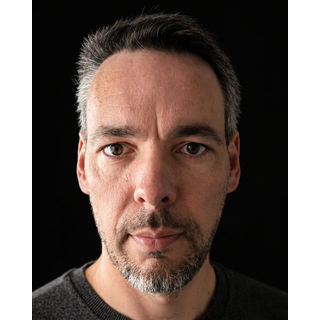
I build systems that generate, transform, and validate customer documents. Most of my work is with OpenText Exstream, accessible PDF/UA output, and AI tools for document engineering.
Co-founder, managing consultant, and lead architect at Xper Consulting AS.
DocEngine adds accessibility structure to existing PDFs and validates the result against PDF/UA. It also generates accessible PDF and HTML from templates and structured data.
A free PDF/UA-1 validator. Drop in a PDF for a quick check, or use the JSON API from CI, a script, or an AI agent.
The same government foreword used 37.4% to 67.5% more tokens in Norwegian Bokmål than in English, despite fewer characters.
Agents can inspect stale bugs, duplicate issues, old PRs, and half-finished ideas without getting bored. The decision still needs evidence.
OpenClaw helped investigate and fix its own bug. The agent shortened the path to a reviewed patch, while humans kept control.
What long-term CCM work with Gjensidige taught me about technical memory, trust, accessibility, and controlled communication.
A technical account of multilingual RAG evaluation, unsupported questions, and why a refusal phrase cannot prove the assistant stopped.
Three models found the expected documents. Unsupported questions exposed a separate requirement: stop when the knowledge base has no answer.
Our OpenHands-based cloud environment centralizes agent configuration and repeats review and fixes before human approval.
I built a food tracker with AI to fit my own needs. I think SaaS products will need to solve harder problems as more people can build their own alternatives.
Upload a sample PDF, get a drafted accessibility template. Available today in DocEngine, with two non-negotiables built in.
We tried drafting accessibility templates without an LLM first. What shipped gives the model meaning but never a coordinate.
I burned 39% of a weekly Codex quota in four and a half hours. A context-window override I set during GPT-5.5 was still in my config.
After a 14-hour Codex run, I want long agent tasks controlled by a queue with a clear finish line and reviewable evidence.
AI agents increase code output faster than teams increase review capacity. Senior attention moves to understanding, verification, and ownership.
Claude Fable 5 refused a defensive review of our own SaaS application twice, including a prompt that explicitly banned exploit guidance.